
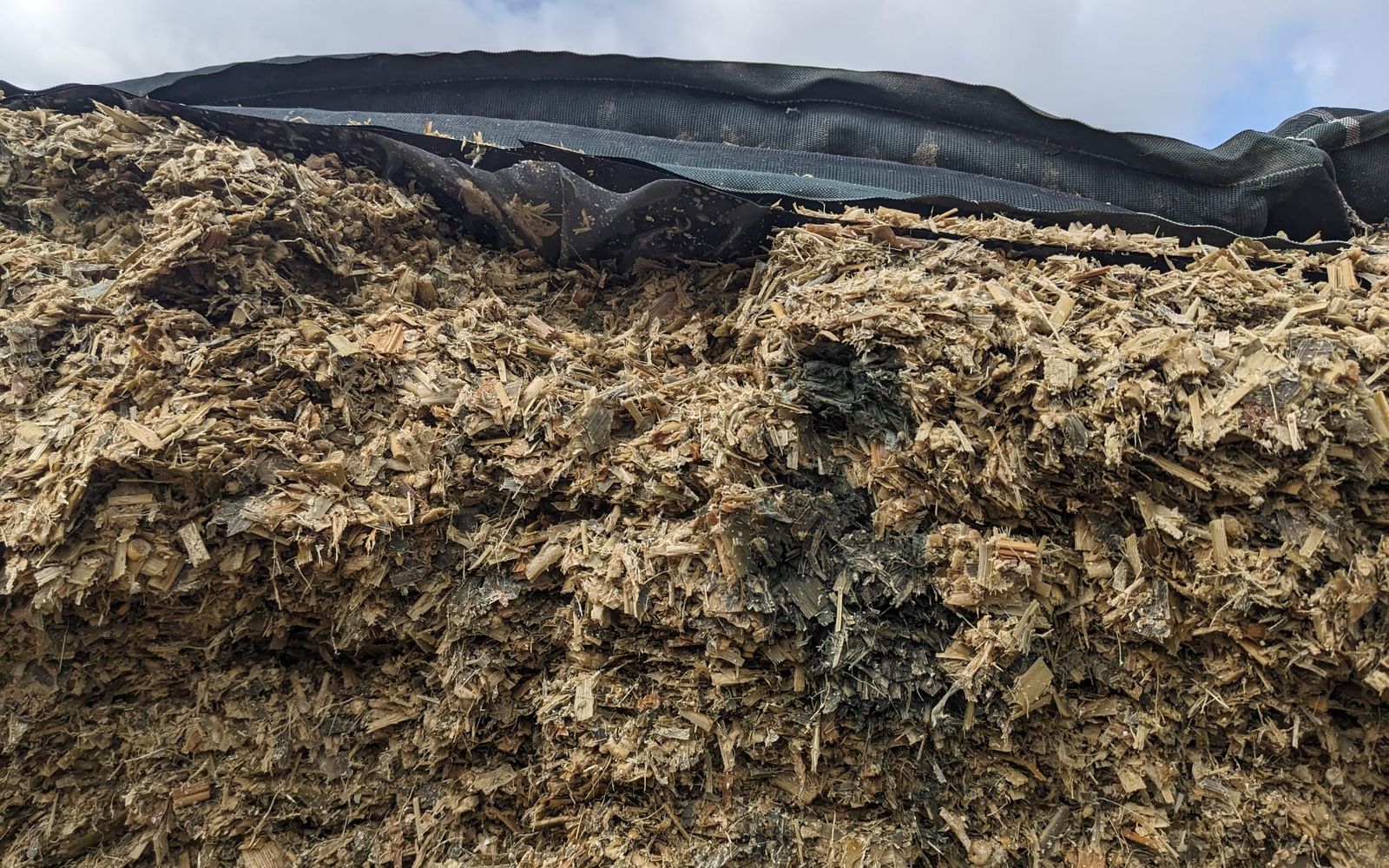
Mould in silage develops when oxygen and water reach the feed. Four main causes are poor compaction, a cover that lets air or rain in, a feed-out rate that is too low and poor hygiene. You prevent it with good compaction, a tight cover that also seals at the edges, a high enough feed-out rate and clean working.
Part of the guidePreventing heating in silage: how does it start and what can you do?
with 30 tonnes of fresh material coming in per hour, at least 15 tonnes of weight should be on the pit
Silage Safefeed-out rate per week: at least 1.5 metres in winter, at least 2 metres in summer
Silage SafeA white or blue-green layer at the top or along the wall: you can throw that feed away. Mould in silage costs feed value and palatability, and it can be toxic to your livestock. Once the mould is there, it is hard to get rid of. So tackle the 4 main causes before it gets that far.
Mould lowers the feed value and cows are less keen to eat the silage. Some moulds produce toxins. That has a direct effect on the health and production of your livestock. Moulds need oxygen and grow fastest where the pH is high. So wherever air or water gets into the silage, they get a chance.
If the silage isn't compacted well, oxygen stays behind in the pit. That oxygen helps moulds grow and increases the risk of spoilage. When feeding out, air also penetrates further into the silage face.
How to prevent it:
You can read more in 6 tips for good silage compaction.
With a poor cover, fresh oxygen keeps reaching the feed. Rainwater that runs in raises the pH. That gives moulds exactly what they need.
How to prevent it:
How to keep water out of the silage is explained in preventing rainwater in silage.
With a feed-out rate that is too low, the silage face is open for too long. The feed warms up and becomes less palatable. Heat, oxygen and water together are the ideal conditions for bacteria and moulds. That is why mould and heating in silage often go together.
How to prevent it:
How to work out your feed-out rate is explained in the right feed-out rate.
Dirty machines, a dirty silage pit or loose silage in front of the face are breeding grounds for bacteria and moulds. They contaminate the silage through direct contact, the air or water.
How to prevent it:
Soil on the pit also brings dirt into the feed. Andre Schulte from Denekamp in the Netherlands stopped using it: "Because we no longer use soil, the risk of butyric acid and listeria bacteria is much lower."
That is where the silage is hardest to compact well, so that is where most of the air is. Tyres and soil don't stay in place well at the edges. And rainwater that runs into the silage along the sides raises the pH there. Yeasts and moulds then survive, and as soon as oxygen gets in again, they strike. So the cover must fit tightly and apply pressure, especially at the edges.
Wiljan Ten Hove from Kamperveen in the Netherlands saw it on his own farm for years: heating and mould regularly appeared along the walls. Since he started covering his five pits with Silage Safe, the system seals the pit airtight and he has hardly had any trouble with it. See how the covers keep pressure on the edges and drain away rainwater on our product information page.
Mould usually comes from a combination of small things. Check these points regularly:
 From the farm
“The great thing is that we can preserve the proteins of the grass much better this way.”Jarne Schuiling, Vries (Netherlands) · read the story
Not sure about your silage?
We are happy to help.
Always remove mouldy patches generously and don't feed them. Moulds can produce toxins that you can't see. If you are unsure about the feed around it, talk to your feed adviser or vet, or have a silage analysis done.
Then air or water is getting in somewhere after all: through a hole in the plastic, along the wall or under the plastic behind the silage face. Poorly compacted silage also holds air. Check the cover regularly and repair holes straight away.
Yes. The shorter the silage face is exposed, the less time moulds have to grow. A smaller pit or a narrower silage pit helps you feed out faster.
Updated on 5 November 2026.
 Heating & mouldGuide
Heating in silage starts when oxygen reaches the feed and yeasts become active again. The silage warms up and loses feed value:…
Grass · Maize6 min read Heating & mouldTips
Butyric acid bacteria (clostridia) make butyric acid from lactic acid, mainly in wet silage with a high pH. They come from soil,…
Grass6 min read