
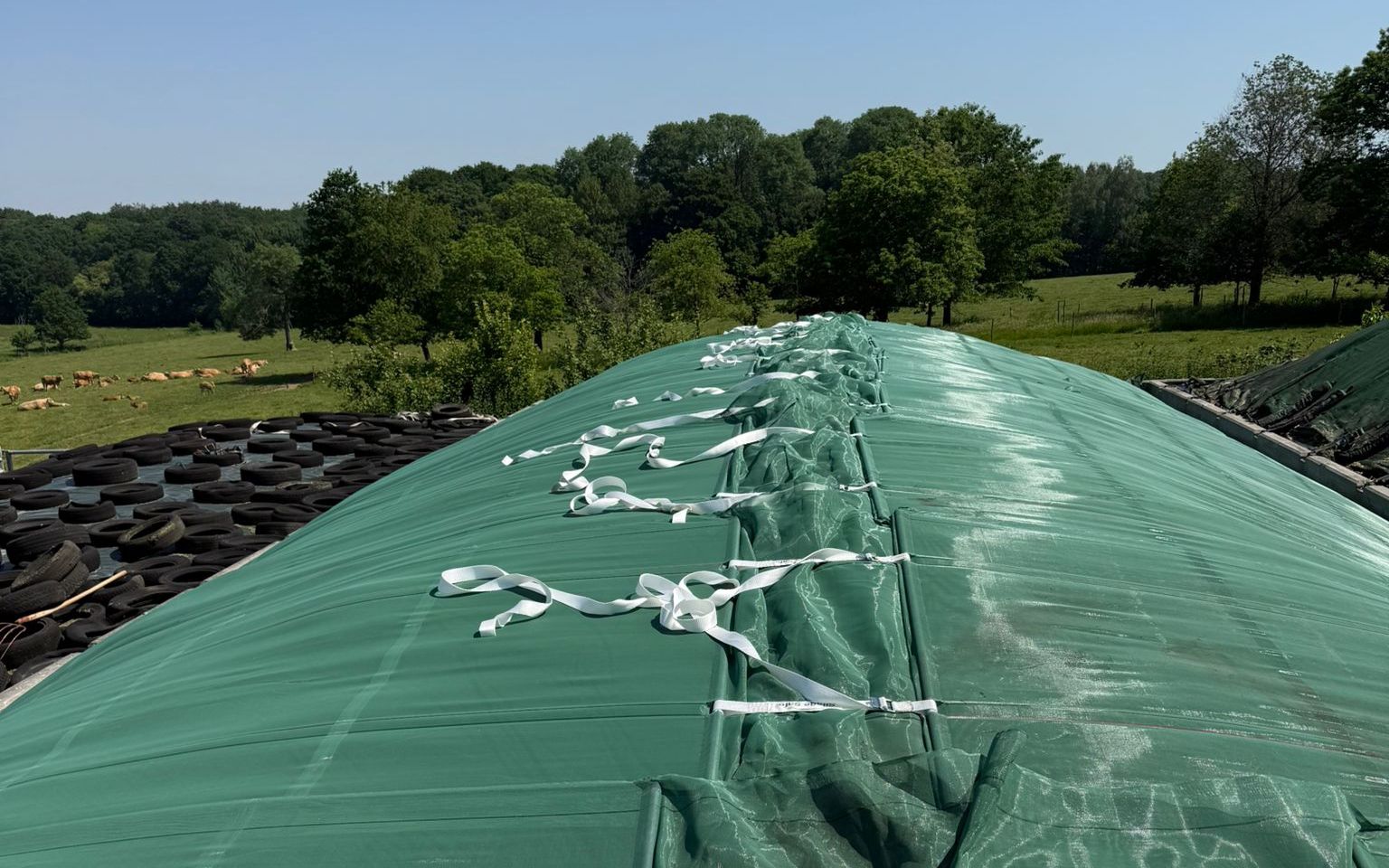
You prevent pests at your silage pit by taking away food, water and hiding places. Clear up silage residue straight away, mow around the pit, don't use tyres and prevent puddles on and around the silage. That works better than fighting them later. A professional pest controller works by integrated pest management: prevent first, poison only after that (Ctgb).
Part of the guideCovering a silage pit: step by step to a well-sealed pit
poison against rats and mice only as a last resort, never preventively or continuously
Ctgbweight of the Heavy Duty cover, for farms with a lot of pests such as crows (standard 197 g/m²)
Silage Safe, brochure 2026Rats, mice and birds at the silage pit can cost you a lot of money. They make holes in the plastic, spoil the fermentation and contaminate your feed with their droppings. With these 4 measures you keep them away.
Pests make holes in the plastic. Air and water then reach the silage and the silage starts to spoil. Pests also breed fast. Where rats or mice make a hole, they usually leave droppings too. That way they spread bacteria and viruses that cause disease into your silage. The result is lower production or even sick animals.
Those holes also make mould and butyric acid in your silage more likely.
Pest control is difficult, and poison isn't the first step. A professional pest controller works by integrated pest management: prevent first, poison only after that. The Dutch authority for plant protection products and biocides (Ctgb), for example, only allows poison against rats and mice as a last resort, and never preventively or continuously. Check the rules in your country.
So prevention starts with you: take away what pests are looking for. That is food, water and a place to hide.
Pests go where there is feed. A little spoiled silage pushed to one side quickly attracts rats and mice. So clear up silage residue and other rubbish in and around the pit straight away. That also reduces the risk of contaminating your feed. How to get the pit completely clean before ensiling is explained in preparing your silage pit.
Long grass and weeds are ideal hiding places. Keep the vegetation around the pit short, also when you aren't making silage. Then rats and mice are easy prey for predators and much less keen to come to your silage.
Tyres and old silage plastic are dark, sheltered places for pests to crawl into. Water also stays in tyres. The fewer of those places on and around your silage, the better. Old tyres have another drawback: bits of steel wire from the tyre can end up in the feed and cause hardware disease in your cows.
Henry Molenaar of HyCare dairy farm De Bladelse Hoef in Bladel (NL) used to cover his silage pits with soil. Since he started working with Silage Safe, without the soil covering, he has fewer problems with pests.
Puddles are an easy and safe place for insects, mice and rats to drink. Water often stays on top of the silage and in tyres. Roll the silage evenly, make the top smooth and slightly rounded so the water runs off (WUR), and make sure there is good drainage. A tight cover without tyres offers fewer places to shelter and drink. See how that works with Silage Safe on the product information page.
Check the silage often and patch holes straight away, so no air and water reach the feed. A strong cover that lies tight makes it harder for birds. If you have a lot of trouble with crows, Silage Safe offers the Heavy Duty cover: it has finer yarns with a tighter weave and weighs 260 grams per m², against 197 grams for the standard cover.
The complete guide to covering your silage pit shows how to cover your silage tightly from the start.
 From the farm
“Even with last fall’s storm, everything is still tightly secured.”Hornstra, Ter Idzard (Netherlands) · read the story
Not sure about your silage?
We are happy to help.
Start with prevention: clear up feed residue, mow around the pit and remove tyres, old plastic and puddles. If there is already an infestation, call in a professional pest controller.
Yes. Tyres are sheltered hiding places and water stays in them. So they give pests both shelter and a place to drink.
In the Netherlands, the Ctgb only allows poison against rats and mice as a last resort, when prevention doesn't help enough, and never preventively or continuously. In the Netherlands, for example, you need a certificate to use professional products. Check the rules in your country and get advice from a professional pest controller.
Updated on 5 November 2026.
 Covering & protectingProblem & solution
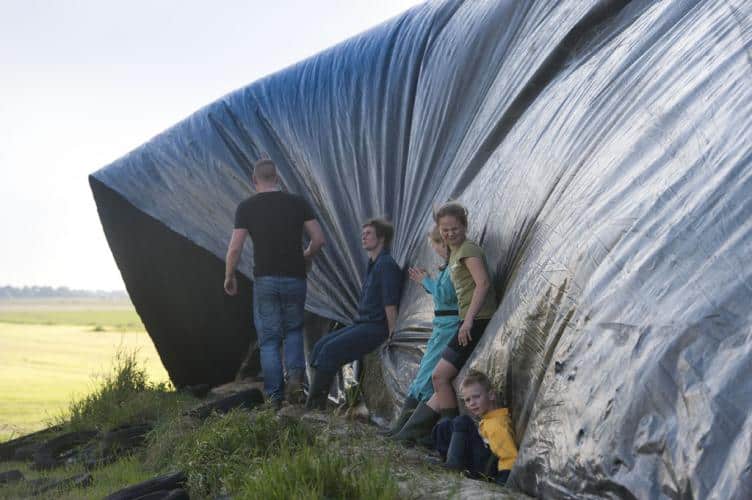
If the plastic blows loose in a storm, put it back quickly and hold it down with weight or covers, starting on…
Grass · Maize5 min read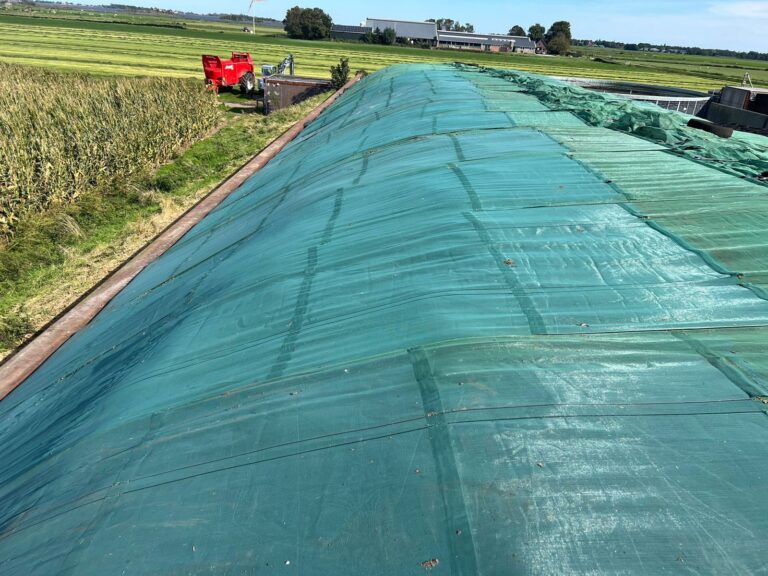 Covering & protectingGuide
Cover maize silage straight after rolling, with underlay film over the full width, a new top sheet and side-wall plastic along the…
Maize5 min read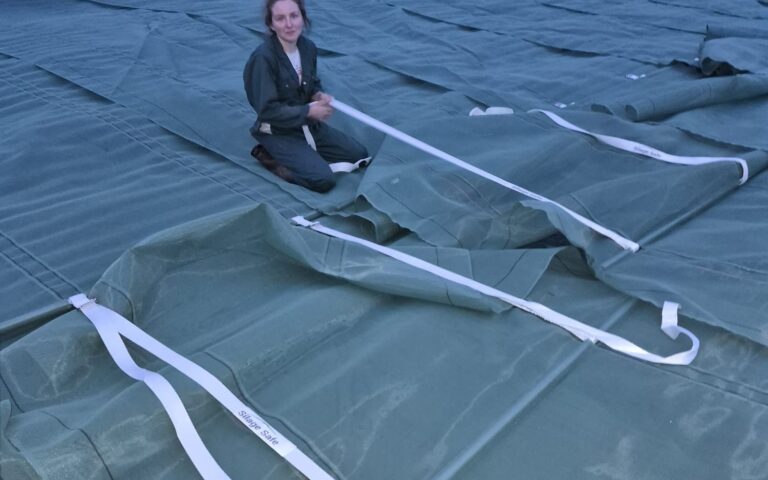 Covering & protectingGuide
Cover grass silage straight after rolling. In a field trial with bales, every hour of waiting cost about 1.5% dry matter; after…
Grass7 min read