
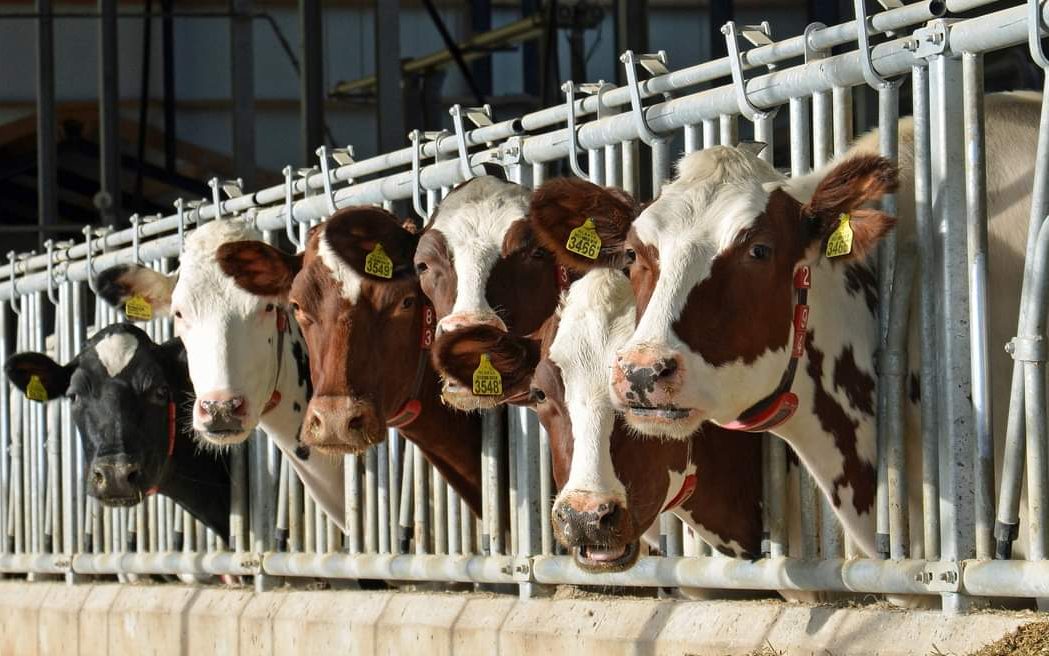
Butyric acid bacteria (clostridia) make butyric acid from lactic acid, mainly in wet silage with a high pH. They come from soil, slurry, water and old silage. Eurofins Agro sets the limit at less than 3 grams of butyric acid per kilo of dry matter. Prevent it with grass at 35-45% dry matter, clean working and a watertight cover.
Part of the guidePreventing heating in silage: how does it start and what can you do?
standard for butyric acid in silage
Eurofins Agrodry matter in the grass: the ideal material to compact
Groeikracht, VeeteeltGRAS March 2025don't open the pit earlier, as it isn't yet stable
Silage SafeYou smell silage with butyric acid as soon as you reach the silage face. Your livestock eat less of it and get less feed value out of it, and the bacteria are bad for the quality of your milk. It usually starts with soil, slurry or water in wet grass silage.
Butyric acid is an unpalatable acid that butyric acid bacteria make from lactic acid. It makes your silage stink: Eurofins Agro compares the smell to sweaty feet. The feed loses palatability, so your livestock eat less. On top of that, dry matter and feed value are lost. That affects both animal health and production.
Butyric acid bacteria (clostridia) are found mainly in soil, slurry and water, but they are also naturally present on grass and maize. They turn lactic acid into butyric acid and CO2 and don't need oxygen to do so. They grow well in a warm, wet environment with a high pH.
In dry, cool silage with a low pH they grow poorly, but they don't die. Butyric acid bacteria form spores. These are dormant bacteria that are very resistant to heat, drought and low pH. When conditions improve, the spores germinate again and continue to grow. That is why butyric acid is hard to get rid of once it is there.
Butyric acid problems have two causes. Too many bacteria have been ensiled with the crop (contamination), or the conditions in the pit allow them to keep growing. Often it is both.
Contamination happens when the feed comes into contact with soil, slurry, water or remains of old silage. That can happen at any stage:
Continued growth happens mainly in wet grass silage. Grass with less than 35% dry matter often contains fewer sugars. Lactic acid bacteria then have less to acidify the silage with. Water has a pH of around 6 to 7, far higher than good silage, and slows down the pH drop. Proteins also work against fermentation. Wet grass silage (less than 25% dry matter) should drop to a pH of 3.8 to 4.2 (WUR, Handboek Melkveehouderij). Which pH fits drier silage is explained in silage pH and fermentation.
Even silage that has fermented quickly can still develop butyric acid later. That happens in wet spots:
When feeding out, oxygen and rain get in and the silage warms up. The bacteria can then grow quickly again.
The spores survive the pasteurisation of milk. As a result, they can cause problems in cheese making, such as a rancid taste. According to Eurofins Agro, the spores get into the milk through bedding, slurry and above all poor silage. That is why dairy processors monitor the level: if it is too high, you get a warning and a deduction from your milk price.
According to Groeikracht, a Dutch silage advisory group, grass with 35 to 45% dry matter compacts best. The pH then drops quickly and butyric acid bacteria get less chance. If your grass is too wet or too dry, read what to do with dry silage and the tips for your first cut.
Don't mow too short: keep a stubble of 6 to 7 cm, so less soil and slurry gets into the grass. Use clean, well-adjusted machines. Make sure the silage pit and access route are clean and dry, and the tyres are clean. Only use clean silage plastic.
Preferably have the grass chopped with a forage harvester. That gives you a more even material, the sugars are released more easily and it compacts better. Roll the pit evenly and finish the top smooth and slightly rounded (WUR). Then no puddles are left standing, and puddles cause condensation.
Use side-wall plastic, so no water gets into the feed through the walls of the silage pit. Cover airtight and watertight and pay extra attention to the edges: they are less well compacted and less well protected against air and water. Make sure there is good drainage in and around the silage pit. You can read more in preventing rainwater in silage.
Soil on the pit is a known source of butyric acid bacteria. Andre Schulte from Denekamp in the Netherlands stopped using it: "Because we no longer use soil, the risk of butyric acid and listeria bacteria is much lower." At the HyCare dairy farm De Bladelse Hoef in Bladel, the pits also used to be covered with soil. See how to cover without soil or tyres on our product information page.
Mice, rats and birds make holes in your cover and contaminate the feed with soil and droppings. Preferably don't use tyres, because pests hide and drink in them. Mow around the silage pit and keep everything clean. You will find more tips in pest control at your silage pit.
By the smell: a sharp, rancid odour that reminds you of sweaty feet. You only know for sure with a silage analysis, which measures the butyric acid content. According to Eurofins Agro, your silage should contain less than 3 grams of butyric acid per kilo of dry matter.
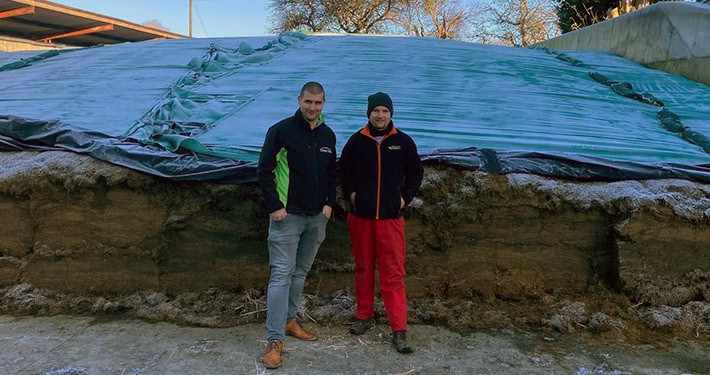 From the farm
“This is the best silage I’ve ever seen.”Rathkennery Farm, Tullykeel (Ireland) · read the story
Not sure about your silage?
We are happy to help.
The bacteria are also naturally present on maize. You mainly see problems in wet grass silage, because it ferments less quickly. In maize silage too, clean working and keeping water out of the pit help.
Hardly. The spores of butyric acid bacteria are very resistant. What you can do is prevent contamination and stop the bacteria from growing. Remove bad patches when feeding out.
In milk, it is mainly about the spores of butyric acid bacteria. They get into the milk through bedding, slurry and above all poor silage (Eurofins Agro). They survive pasteurisation and can cause a rancid taste in cheese making.
Updated on 5 November 2026.
 Heating & mouldGuide
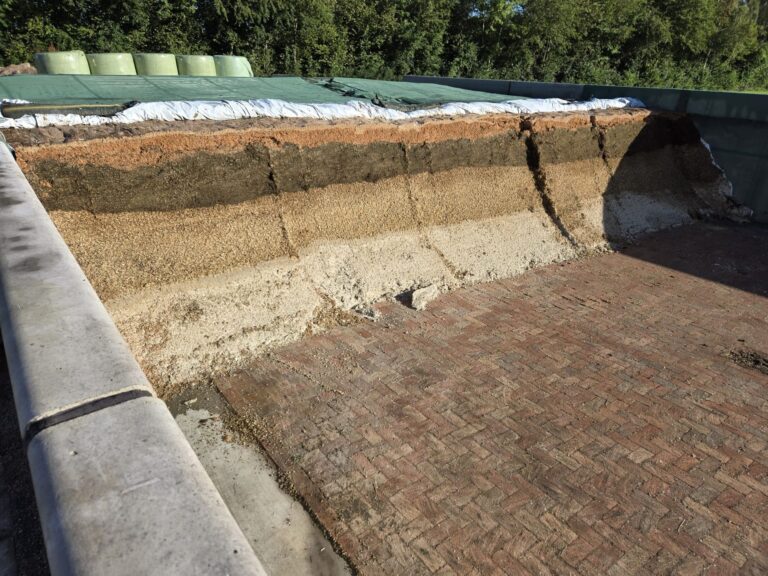
Heating in silage starts when oxygen reaches the feed and yeasts become active again. The silage warms up and loses feed value:…
Grass · Maize6 min read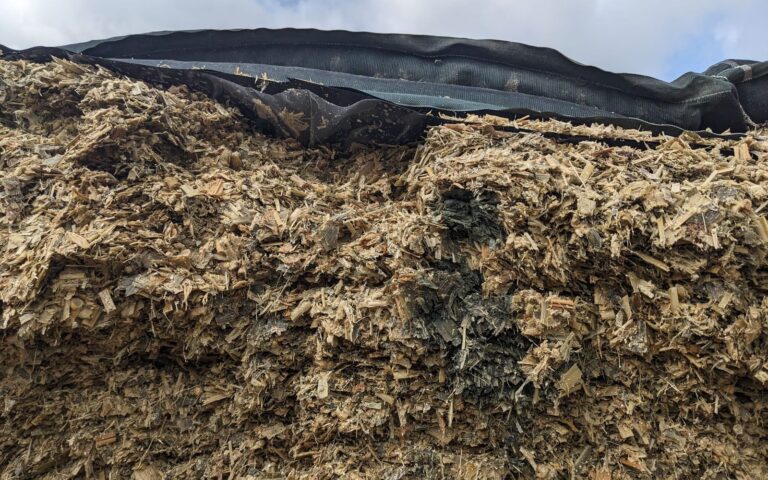 Heating & mouldTips
Mould in silage develops when oxygen and water reach the feed. Four main causes are poor compaction, a cover that lets air…
Grass · Maize5 min read